

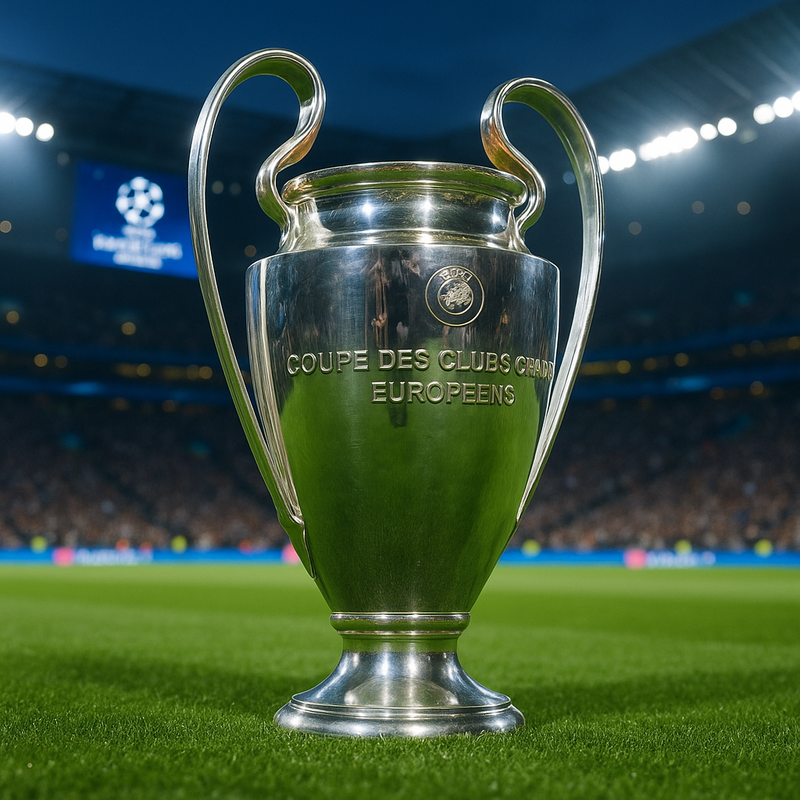
The roots of the UEFA Champions League stretch back to 1955 when it was inaugurated as the European Champion Clubs' Cup, commonly referred to as the European Cup. Initially, the tournament was a straight knockout competition open only to the champion club of each country. The format has evolved significantly over the decades. In 1992, it was rebranded as the UEFA Champions League and adopted a round-robin group stage that precedes the knockout rounds, allowing more clubs from each country to participate.
One of the most significant appeals of the Champions League is its ability to bring together a diverse mix of Europe's finest football talents. Clubs compete not only for the prestige of winning the tournament but also for significant financial rewards, which can have a substantial impact on a club's budget and ability to attract top players. The Champions League anthem, which blares out over the speakers before each game, captures the historical gravitas and the contemporary appeal of the tournament, sending chills down the spine of players and fans alike.
The competition is also known for its memorable moments that remain etched in the minds of football fans around the world. From Zinedine Zidane's left-foot volley in the 2002 final for Real Madrid against Bayer Leverkusen to Manchester United's dramatic late comeback in the 1999 final against Bayern Munich, the Champions League has always delivered drama. Moreover, it is a showcase of tactical prowess with top managers like Pep Guardiola and José Mourinho pitting their wits against one another.
The 2023 season poses new intrigues and questions. Will the dominance of clubs like Real Madrid continue, or will we see a new champion rise? Teams such as Manchester City and Paris Saint-Germain are desperate to assert their dominance on Europe after significant domestic successes. Furthermore, the introduction of new talents and strategies keeps the competition as unpredictable and exciting as ever.
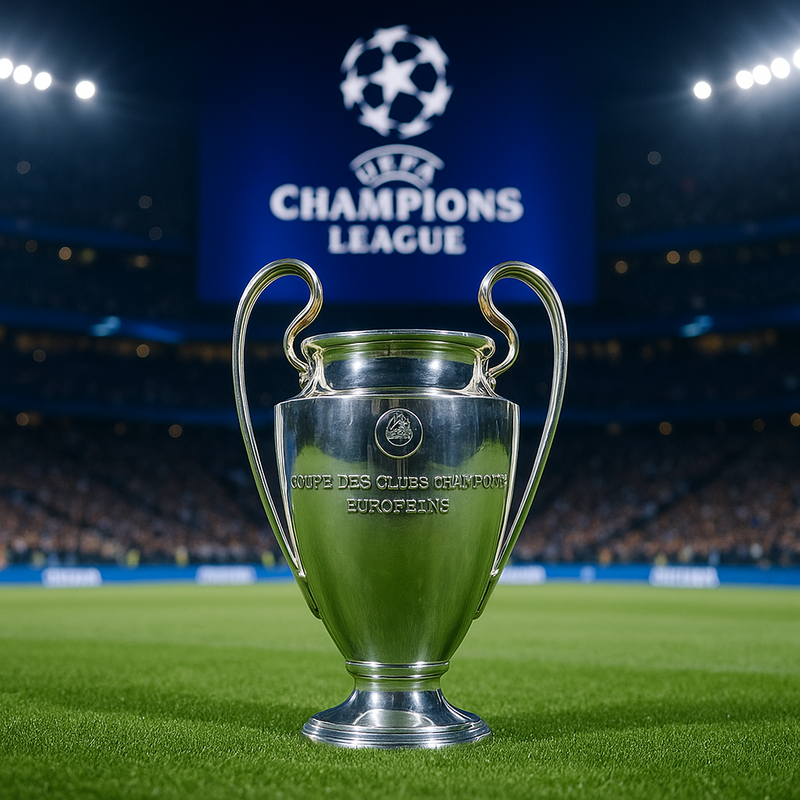
Additionally, the Champions League also plays a crucial role in the ranking and performance assessments of players and coaches. Success in the tournament often leads to Ballon d'Or victories, as seen with Lionel Messi and Cristiano Ronaldo, who have both embellished their careers with multiple Champions League trophies. For emerging talents, shining on this elite stage can lead to lucrative transfers and endorsements, elevating their professional and personal profiles.
In terms of viewership and economic impact, the UEFA Champions League remains unparalleled. The final is watched by millions of people worldwide, making it one of the most viewed sporting events annually. This broad appeal is not only a testament to the quality of football but also the impeccable organization and marketing by UEFA. Every match from the group stages to the final is an event, attracting tourists, fanfare, and significant global media attention.
As we look toward the future, the Champions League continues to adapt and evolve. Discussions about changes to the format and distribution of revenue reflect the dynamic nature of European football and the global sports entertainment landscape. For clubs, players, and fans, the UEFA Champions League remains the gold standard of football excellence. As such, it is not just a tournament; it is a celebration of football, bringing together nations, cultures, and generations in a shared love of the game.