

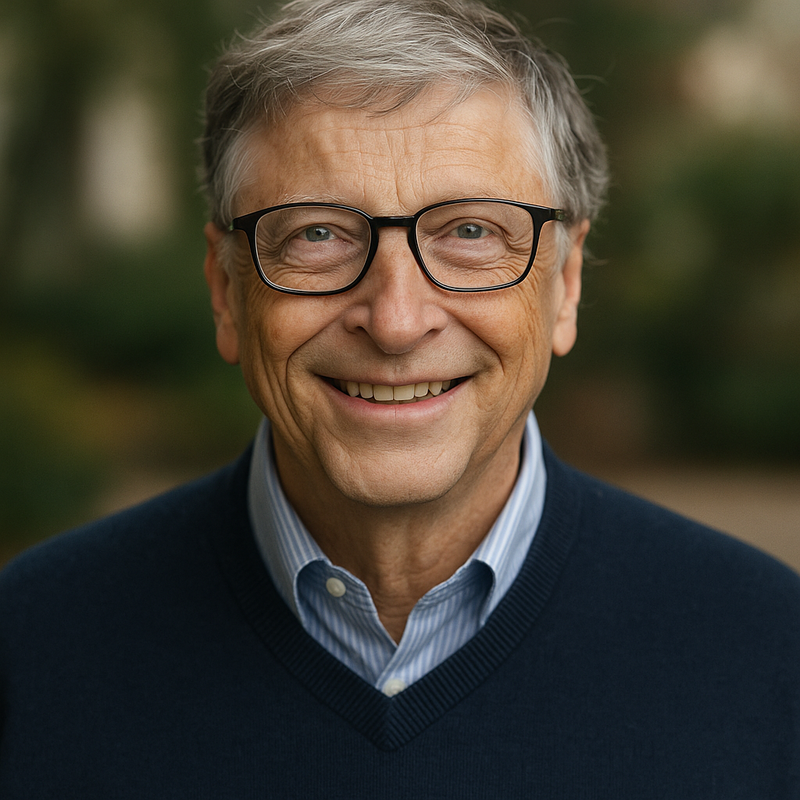
Gates was born on October 28, 1955, in Seattle, Washington. He developed an interest in software early on and began programming at the age of 13. In 1975, alongside his friend Paul Allen, he founded Microsoft, a company that would grow to dominate the PC operating system market with MS-DOS and later, Windows. This savviness not only built a technological empire but also positioned Gates as one of the world’s wealthiest individuals.
Over the years, Gates has shifted his interests and influence towards global challenges. In 2000, he and his then-wife, Melinda, launched the Bill and Melinda Gates Foundation. This foundation swiftly grew to be one of the largest and most influential private philanthropic foundations in the world, deeply involved in a wide range of activities from enhancing healthcare and reducing extreme poverty, to expanding educational opportunities and access to information technology.
The Gates Foundation has been pivotal in its advocacy and funding for various health initiatives across the globe. One of its significant contributions has been towards the development and distribution of vaccines. Particularly, its commitment to eradicating polio has been a major force behind immunization drives and surveillance programs. Additionally, the foundation's efforts have been crucial in the fight against diseases such as malaria and tuberculosis, saving millions of lives.
In recent years, Gates has also concentrated much of his efforts on climate change. In his book, "How to Avoid a Climate Disaster," he outlines practical and achievable ways the world can reduce greenhouse gas emissions to zero. He believes innovation in five key areas—electricity, agriculture, manufacturing, transportation, and building management—is essential to achieving these goals and has heavily invested in various technologies and biofuels to propel these changes.
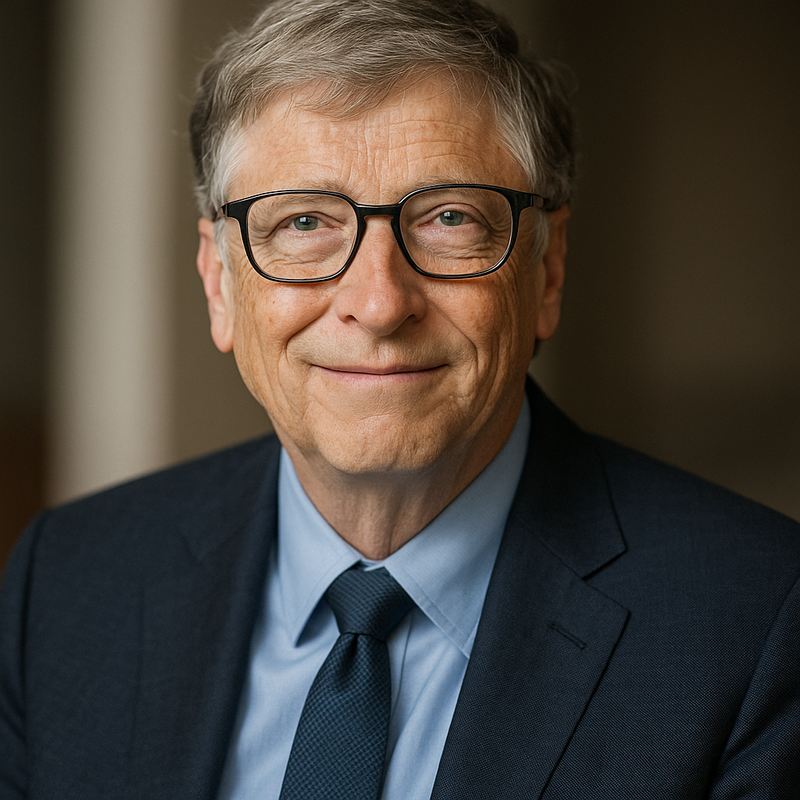
Another significant focus for Gates has been pandemic prevention and response. Throughout the COVID-19 pandemic, Gates was a vocal advocate for global health strategies and vaccine distribution, especially in underserved regions. His foundation committed hundreds of millions of dollars towards vaccine development and distribution frameworks, emphasizing a need for equitable access to healthcare innovations.
Education is yet another pillar of Gates' philanthropic strategy. Through his foundation, he has pumped enormous resources into American schools, with programs aimed at improving educational outcomes and access to technology and learning materials. These initiatives focus on building comprehensive, scalable results that support not only students but also teachers and administrative bodies to foster environments where education can thrive.
Critics of Gates have pointed out potential conflicts of interest and undue influence owing to his vast wealth and investment reach. Nonetheless, his impact on technology and global health remains undeniable. He illustrates a blueprint for philanthropy, showing that wealth, particularly when aligned with clear, structured goals and effective execution, can achieve remarkable feats in both lifting people out of poverty and employing technology for the human good.
As Bill Gates shifts from the world of technology to a broader field of global challenges, his journey from a computer programmer to a leader in global health and development highlights a trajectory of ever-evolving influence. Whether it is through driving technological innovations or tackling global health crises, his efforts demonstrate a commitment to leveraging wealth and resources to create a better and more equitable future.