

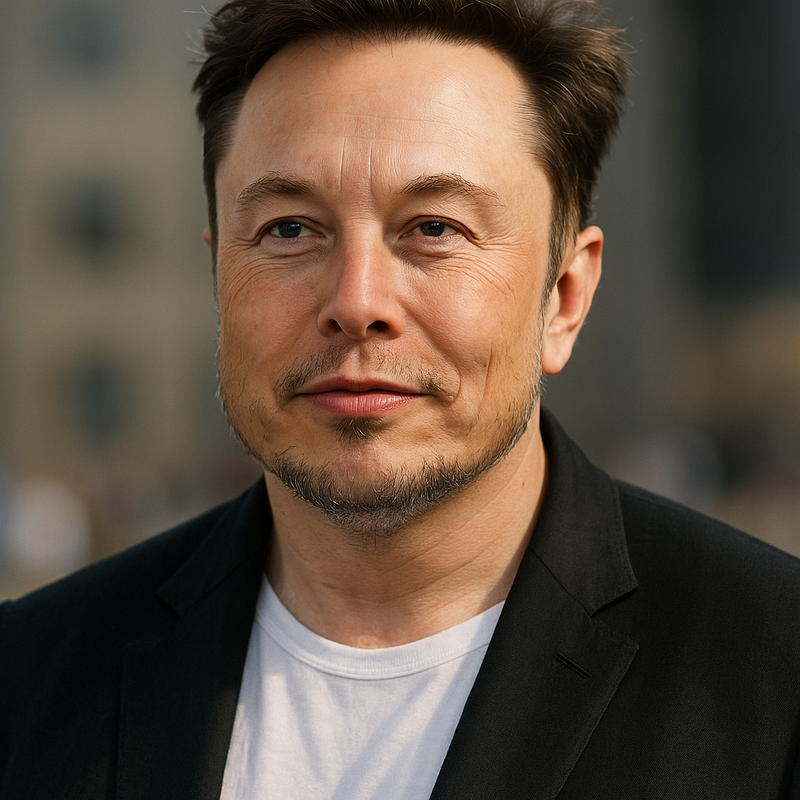
Born in Pretoria, South Africa, in 1971, Musk showed an early proclivity for computers and entrepreneurship. By 12, he had already created and sold his first software, a game called Blastar. However, it was after immigrating to the United States that his visionary zeal truly flourished. Musk attended the University of Pennsylvania, where he earned degrees in physics and economics. Following his graduation, he embarked on a series of ventures that would lay the groundwork for his later successes. In 1995, Musk founded Zip2 Corporation, a web software company, which was later sold to Compaq for nearly $300 million. This early success funded his next project, X.com, an online payment system that eventually became PayPal and was acquired by eBay for $1.5 billion in stock. These successful exits proved Musk's ability to identify and capitalize on technological trends, setting the stage for even more ambitious projects. Tesla Motors, founded in 2003, emerged from Musk's vision to create a viable mass market for electric vehicles (EVs). Under Musk's leadership, Tesla not only survived the financial crises of the late 2000s but thrived, becoming the most valuable carmaker in July 2020. The introduction of models like the Tesla Roadster, Model S, and Model 3 has profoundly affected the automotive industry, pushing numerous traditional car manufacturers to accelerate their own electric vehicle initiatives. Parallel to his ventures on Earth, Musk founded Space Exploration Technologies Corp., or SpaceX, in 2002 with the goal of reducing space transportation costs to enable the colonization of Mars. In 2020, SpaceX made history by launching NASA astronauts to the International Space Station aboard its Crew Dragon spacecraft—a first for a private company. Looking ahead, Musk envisions the Starship spacecraft, currently under development, as the central vehicle for Mars colonization, promising interplanetary travel and a sustainable human presence on the Red Planet. Beyond Tesla and SpaceX, Musk has embarked on myriad other projects, such as Neuralink, which aims to create brain-computer interfaces to connect humans and computers, and The Boring Company, which focuses on infrastructure and tunnel construction to relieve traffic in major cities.
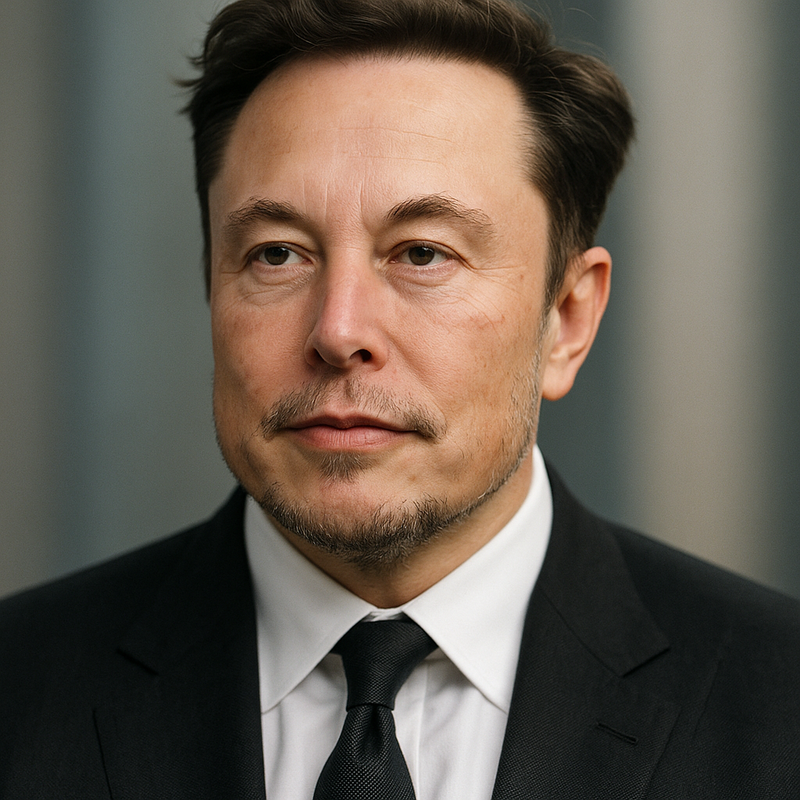
Musk's influence also extends into the domain of artificial intelligence with his co-founding of OpenAI, an organization dedicated to promoting and developing friendly AI to benefit humanity. His interest in the AI sector underscores a broader concern about the ethical use of technology, advocating for proactive measures against potential negative consequences of AI advancements. Despite his monumental successes, Musk's career has been punctuated by periods of intense scrutiny and controversy. His management style, social media use, and public statements have often garnered mixed reactions from investors, regulators, and the public. Nevertheless, his resilience and continued drive toward innovation remain undeterred. Elon Musk's imprint on our world is undeniable. As a modern-day industrial magnate, he represents a blend of inventor, pioneer, and provocateur, consistently pushing the boundaries of what is possible. While his ambitious projects and occasional polarizing persona make headlines, it's his ability to transform lofty dreams into tangible realities that will likely define his legacy in the annals of history. Whatever the future holds, one thing seems certain: Elon Musk will continue to be at the forefront, steering us toward a possibly brighter, technologically advanced future.