

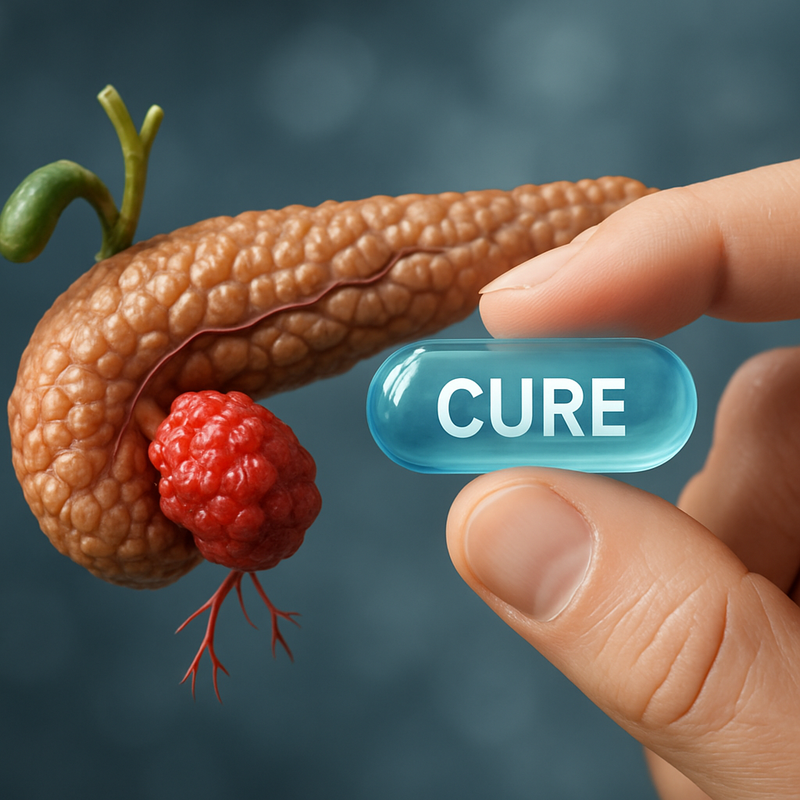
The complexity of pancreatic cancer lies not only in its aggressive nature but also in its ability to remain undetected until it reaches an advanced stage. This has prompted intense research into early detection methods. Current studies focus on identifying biomarkers that could signal the presence of pancreatic cancer at an early stage, which is crucial for successful treatment. Another promising area of research is the development of more precise imaging techniques, which could enhance the accuracy of diagnoses before the cancer advances to later stages. Treatment strategies for pancreatic cancer have traditionally included surgery, chemotherapy, and radiation therapy. However, these treatments often come with severe side effects and do not guarantee long-term survival. This has led to a surge in exploring alternative therapeutic approaches like targeted therapy and immunotherapy. Targeted therapy aims at attacking specific genetic changes in cancer cells that help them grow, divide, and spread, while immunotherapy tries to harness the body's immune system to fight the cancer cells more effectively. One of the most intriguing advancements in the fight against pancreatic cancer is the use of personalized medicine. By analyzing a patient's genetic makeup, researchers are beginning to develop treatment plans that are uniquely tailored to the genetic profile of an individual’s cancer. This approach can potentially increase the effectiveness of treatment while minimizing side effects. Furthermore, recent developments in vaccine therapy provide a glimmer of hope. These vaccines are designed not to prevent cancer in the traditional sense but to treat it by stimulating the body's immune response against cancer cells. Several clinical trials are currently testing the efficacy of these vaccines in treating pancreatic cancer, either as a standalone method or in combination with other treatments.
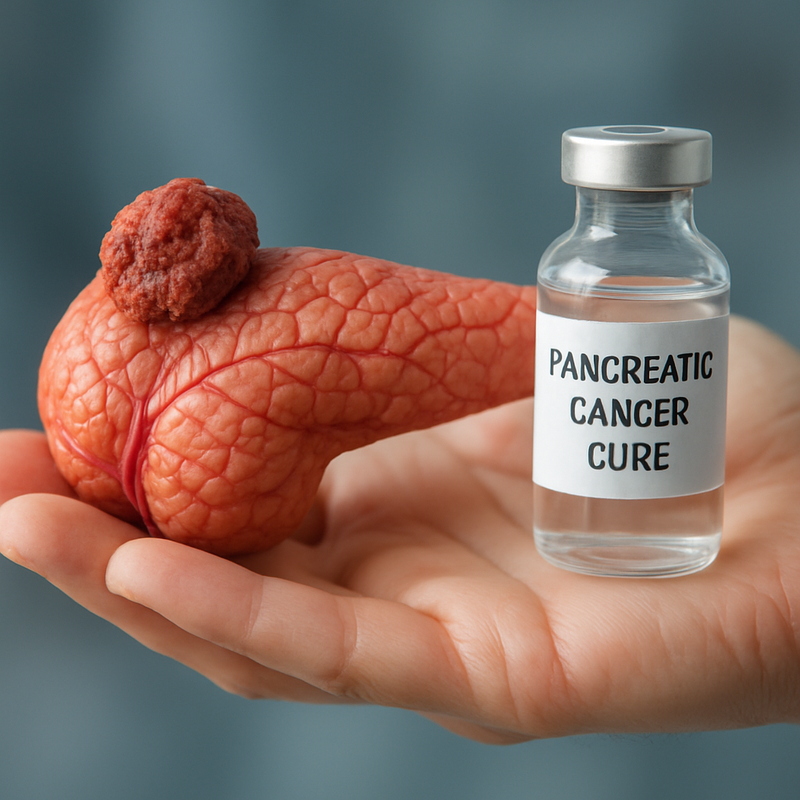
Beyond biological treatments, researchers are also exploring the role of diet and lifestyle in managing pancreatic cancer. Studies suggest that certain dietary components might have the potential to slow the progression of the disease or enhance the efficacy of conventional treatments. While no diet can cure cancer, a well-planned nutritional regimen could support the body's overall health and augment the effectiveness of other therapies. Amidst these promising developments, the role of patient support cannot be overlooked. Coping with pancreatic cancer is profoundly challenging not only for the patients but also for their families. Comprehensive care that includes mental health support, nutritional advice, and pain management is pivotal. Providing a holistic treatment experience can greatly influence the wellbeing and quality of life of patients during and after treatment. The advancement in pancreatic cancer treatments and research is an ongoing and evolving field. With each innovation, there looms a possibility of changing the grim statistics associated with this disease, perhaps even drawing closer to a cure. As the medical community continues to push the boundaries of what is possible through research and clinical trials, there is renewed hope that the future might hold the key to defeating pancreatic cancer once and for all. For now, these exploratory steps in various aspects of treatment and detection are crucial. They pave the way for building a comprehensive approach that could potentially lead to a future where pancreatic cancer can be diagnosed promptly and treated more effectively, ultimately saving more lives.